
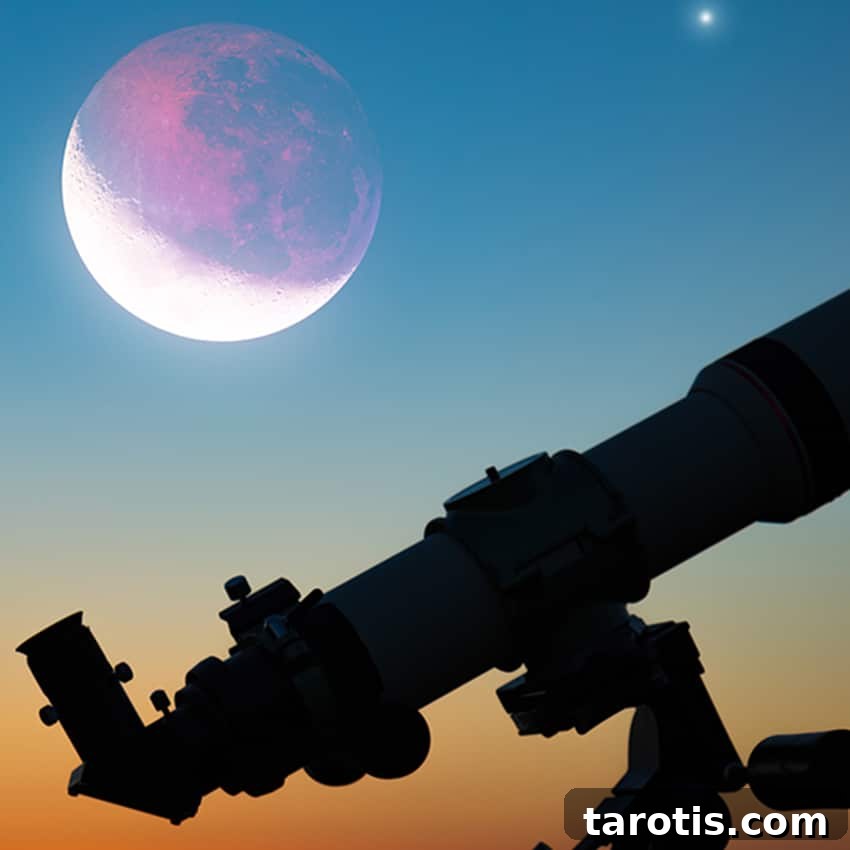
Have you ever witnessed the beauty and quiet mystery of a lunar eclipse? Whether you watched the Moon dim and redden with your own eyes or felt the subtle, shifting energy that these events often bring, a lunar eclipse is a memorable celestial occurrence. Science explains the mechanics—Earth passing between the Sun and Moon—but the experience often stirs deeper feelings of awe and reflection.
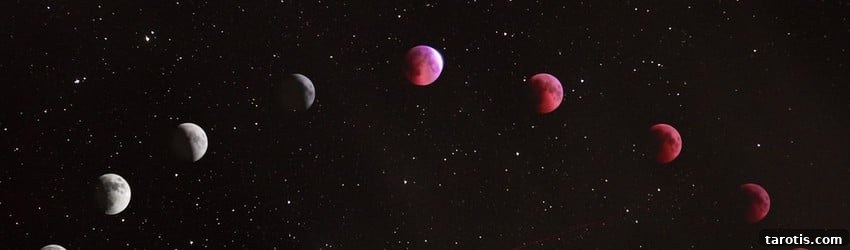
On a scientific level, a lunar eclipse occurs when Earth blocks sunlight from reaching the Moon. The Moon itself does not emit light; it reflects the Sun’s light. When Earth intervenes, the Moon moves into shadow and its appearance changes, sometimes taking on a coppery tone.
Beyond the astronomy, lunar eclipses are significant in many spiritual and astrological traditions because they coincide with the Full Moon, a time already associated with heightened emotion and revelation. Combined with the eclipse’s influence, this phase can illuminate hidden feelings and prompt meaningful internal shifts.
What Is a Lunar Eclipse?
Lunar eclipses only happen during the Full Moon, amplifying the intensity that full lunar cycles already bring. Full Moons often expose emotions and cycles that are ready to resolve, and a lunar eclipse can accelerate or spotlight those endings and revelations.
This transit can surface information you’ve been overlooking, inviting emotional processing and healing. If you work with the energy—through reflection, ritual, creative expression, or meditation—you may find opportunities for deep psychological growth during and after the eclipse.
Five Key Things to Know About Lunar Eclipses
1. Lunar Eclipses Signal Transformation
Eclipses often mark the beginning of significant changes. The effects may unfold over weeks or months rather than instantly. Sometimes changes that start during an eclipse happen indirectly, appearing first in your environment or relationships before touching your personal life.
The heightened energy of an eclipse can provoke anxiety or restlessness. Preparing mentally and emotionally—practicing grounding techniques and remaining open to change—helps you navigate the transition with greater ease and trust in the process.
2. Lunar Eclipses Reveal Hidden Things
Endings are often necessary for new beginnings, and eclipses can expose patterns, relationships, or habits that no longer serve you. Even though the Moon may appear darkened during an eclipse, its influence can shine a light on truths you need to see.
Discoveries revealed by an eclipse can be painful, such as recognizing a relationship is not what you thought. When this happens, try to hold the bigger perspective: these revelations guide you toward healthier paths and align you with your next chapter.
3. Lunar Eclipses Can Affect Health
Lunar eclipses can impact both emotional and physical well-being, especially when they coincide with your birthday or key points in your chart. Repressed emotions might surface, so it helps to have outlets ready—journaling, art, ritual work, or energy practices like crystal healing, tarot, or astrology.
Physically, you might notice tension, headaches, or other discomforts. Gentle movement, yoga, breathwork, and meditation can support your body and nervous system during this time. Prioritize rest and self-care to help your system integrate the eclipse’s influence.
4. Lunar Eclipses Can Clear the Way
Eclipses sometimes remove people or situations from your life to make room for new growth. This shift might involve a relationship ending or a role changing—often with less drama than you might expect. In many cases, the separation is mutual and allows both parties to pursue their next steps.
The Moon’s association with feminine energy means that these changes may involve women in your life, but the core lesson is universal: releasing what no longer supports you creates space for opportunities aligned with your path.
5. The Zodiac Sign of the Eclipse Matters
Each eclipse occurs in a zodiac sign, and its effects are filtered through that sign’s qualities. When an eclipse falls in a sign that matches your own or shares an element with key placements in your chart, its influence can be more personal and transformative.
Knowing your Sun, Moon, and Rising signs provides insight into how an eclipse might affect you most strongly. If the eclipse aspects your natal Moon or Rising sign, expect amplified focus on emotions or life direction respectively.
What If an Eclipse Falls on or Near Your Birthday?
If a lunar eclipse happens on or close to your birthday, it often signals a pivotal year ahead. Significant, generally positive shifts—especially in relationships and emotional priorities—may unfold over the following months.
These changes are rarely gratuitous; they clear space for alignment with your purpose. Avoid clinging to outdated roles or attachments. Instead, pay attention to your birth chart placements, especially your natal Moon and Rising sign, to better understand the themes coming into play.
When Is the Next Lunar Eclipse?
While eclipses occur on specific dates, their influence typically extends for days before and after the visible event. Even a brief eclipse can stir energies that are noticeable for up to 48 hours on either side, so it’s wise to treat the entire period as a time for awareness and self-care.
How to Make the Most of a Lunar Eclipse

During a lunar eclipse you may feel intense emotions, misunderstandings, or mental fog. Practice patience with yourself and others. Avoid making major, irreversible decisions until the heightened energy has settled.
Use grounding practices—meditation, breathwork, gentle movement, journaling, or a focused moon ritual—to channel the eclipse’s transformative power. These activities help you process emotions, set intentions, and release what’s no longer useful.
Trust that eclipses are designed to clear and realign. Even difficult moments can lead to growth and a more fulfilling path if you allow the process to unfold with calm acceptance.
Embrace the lunar eclipse’s energy as a catalyst for change and a chance to bring your intentions into clearer focus.