
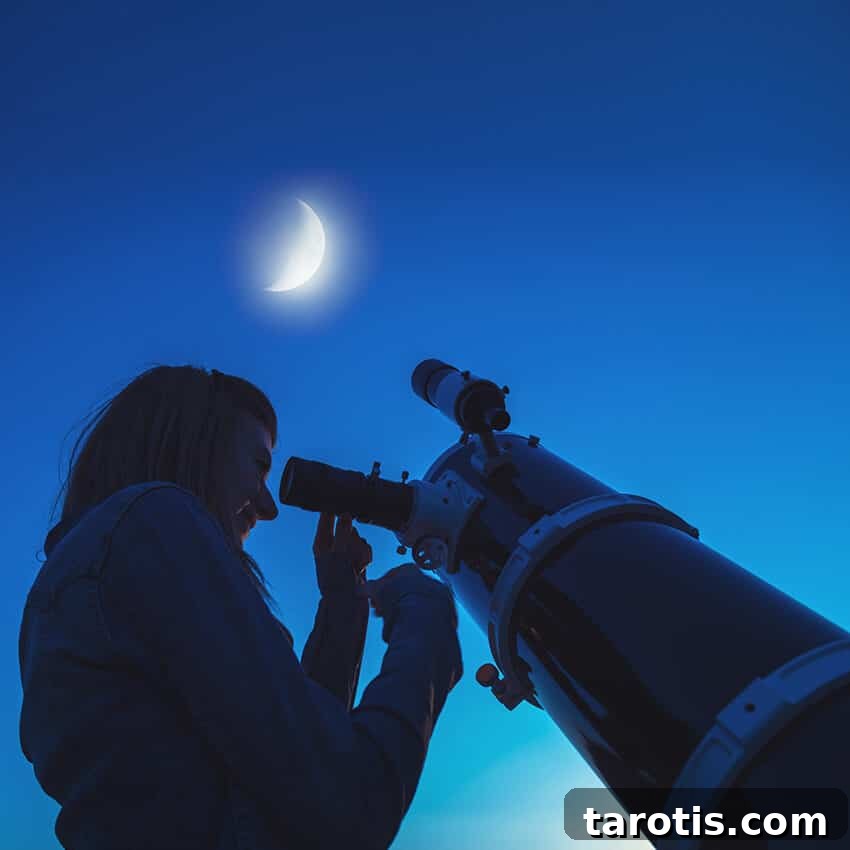
The simple answer to “can you use astrology to predict the future?” is yes — but a fuller answer is more nuanced: yes and no. Planetary movements create recurring psychic and emotional climates that allow experienced astrologers to anticipate certain trends and events. At the same time, human free will means the future is not fixed. We can direct our thoughts and decisions, which can alter likely outcomes and the patterns that would otherwise play out under planetary influence.
That may sound complicated, yet even basic predictive techniques in astrology are remarkably useful. When I first began studying astrology, the simple tools for forecasting mood shifts and life changes were immediately practical. Astrology is deep and lifelong study; there are always more methods and subtleties to learn, but a handful of accessible principles will help you use astrology to navigate daily life and plan ahead.
How do you apply these insights without getting overwhelmed? How can you use astrological forecasting to support your goals and decisions? Below are six straightforward, practical techniques I teach that are easy to use and genuinely helpful for manifesting and managing your days.
6 Easy Ways You Can Use Astrology To Predict The Future
1. The Monthly Moon Cycle
Each month brings one full moon — occasionally two when a Blue Moon occurs. Full moons often coincide with visible shifts: finished projects, sudden events, beginnings and endings in relationships, heightened emotions, and bursts of momentum. Knowing the zodiac sign of a full moon helps you anticipate the tone: whether people will be more social, argumentative, creative, or introspective.
The new moon signals a quieter, inward phase. People tend to reflect, rest, and germinate ideas they will develop toward the next full moon. The waxing period (new to full) is typically more creative and forward-moving, while the waning period (full to new) can feel less productive or even confusing. These monthly phases create a predictable emotional rhythm you can use for planning and manifestation.
2. Retrograde Cycles
When inner planets like Mercury, Venus, and Mars appear to move backward (retrograde), they reliably influence certain areas of life. Mercury retrograde — occurring about three times a year for several weeks — often disrupts communication, technology, and travel. You’ll commonly see delays, misunderstandings, and technical glitches. Conversely, when Mercury stations direct and exits its shadow, communications tend to smooth out again.
Venus retrograde is associated with revisiting past relationships or reassessing values; ex-partners may resurface in dreams or real life. Mars retrograde can lower outward drive and libido, making action feel more difficult for a time. Recognizing retrograde periods helps you temper expectations and respond with patience when energy dips or disruptions appear.
3. Eclipse Season
Each year there are two eclipse seasons, and these windows often bring significant changes. Eclipses can trigger endings and beginnings: new homes, jobs, relationships, or shifts in belief systems. They typically come in clusters over one to two months, creating a sense that many people are going through major adjustments at the same time.
A solar eclipse carries a forward-pushing quality from the Sun, offering an opportunity to focus intentionally on your goals so the energy propels you in a chosen direction rather than pushing you unknowingly. Tracking eclipse timing can prepare you for transitions instead of catching you by surprise.
4. Saturn Returns
One widely predictable life milestone is the Saturn return, which occurs when Saturn returns to the position it occupied at your birth, roughly around age 29 (and again near 58). Saturn represents responsibility, structure, and maturation. The Saturn return often brings a rite of passage — an existential reckoning that encourages people to clarify purpose and commit to more authentic life choices.
While this period can be challenging, it also offers the potential for profound growth and a more solid sense of vocation. Anticipating a Saturn return allows you to prepare for meaningful change and to approach the phase with intention rather than fear.
5. Horoscopes
Daily, weekly, monthly, and yearly horoscopes summarize themes and energies you may encounter. Revisiting your horoscope before, during, and after significant transits can make it easier to recognize how astrological patterns play out. Many astrologers advise reading the horoscope for your rising sign in addition to—or sometimes instead of—your sun sign, since the rising sign often reflects how events manifest in your life.
6. Locate the Inner Planets
The Sun’s sign sets the tone for the month, while the Moon’s sign influences the immediate emotional climate day to day. The Sun spends about 30 days in each sign; the Moon changes signs roughly every 2.5 days. Learning the characteristics of each sign and the planetary energies helps you predict general moods and behavior patterns.
Using an ephemeris or daily planetary table shows where planets are positioned each day. In addition to inner planets, outer planets like Jupiter, Saturn, Uranus, Neptune, and Pluto move more slowly and create longer-term, widespread influences that shape collective and personal experiences over months and years.
Don’t Become Overly Reliant on Predictions
Astrology is a tool for empowerment, not a substitute for action. Spending too much time predicting without manifesting can leave you passive. The real purpose of astrology is to help you discover talents, clarify purpose, and use timing to support growth. By recognizing predictable cycles, you can take the higher road, avoid reactivity, and harness challenging energies to act with kindness and responsibility.
Astrology becomes a crutch only when it replaces effort. Universal law encourages reciprocity: the energy you give returns to you. To attract supportive circumstances and people, you need to take initiative and act with integrity. Use astrology to refine intentions and guide choices, but remain committed to personal effort and moral development.
Concluding Thoughts…
If you want more precise guidance, a transit, progression, or solar return reading with an experienced astrologer can reveal likely situations and ideal timing to prepare and act. Use these predictions as tools for growth, not as excuses to become passive. Even accurate forecasts are most meaningful when paired with ongoing self-improvement, responsibility for words and actions, and a commitment to becoming the best version of yourself.