
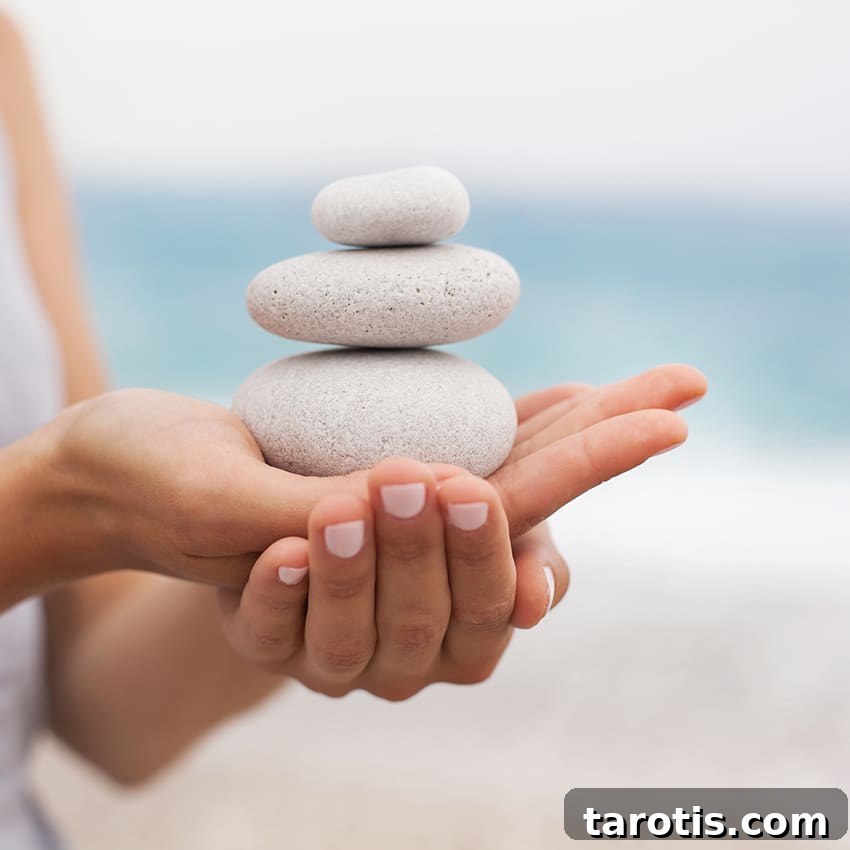
Balancing your chakras has grown in popularity as more people explore the connection between mind, body, and spirit. While modern resources make self-care and holistic practices easier to access, many cultures have worked with energy healing and the chakra system for centuries. Chakras influence physical health, and physical conditions can, in turn, affect emotional and mental well-being. The chakra system is a dynamic, two-way interaction between body and psyche.
Both emotional stress and physical injury can disrupt energy flow through the chakras, so regular self-checks are helpful. Because energy moves through subtle layers of the body, signs of imbalance are often easy to miss. Use this guide to perform a chakra self-assessment and determine whether improved exercise, meditation, dietary adjustments, physical therapy, or a combination of approaches might help. Sometimes simple habits—like poor posture at your desk—can restrict energy flow to the heart chakra, reduce emotional openness, and stifle creativity.
Below is a chakra-by-chakra look at commonly overlooked signs of imbalance and practical suggestions to address them.
Root Chakra
The root chakra, located at the base of the spine, governs survival instincts, stability, and willpower. Physical issues such as anemia, eating disorders, obesity, gout, knee or foot pain, tailbone discomfort, and bone or joint problems can indicate root chakra disturbances. Prolonged stiffness and lack of movement often reflect an energetic block in this area.
Emotionally, root chakra imbalance can show up as chronic anxiety, feeling ungrounded or without a sense of home, difficulty maintaining steady work, or persistent financial insecurity. To support this chakra, prioritize anti-inflammatory, plant-forward foods and reduce processed items to improve digestion and overall health. Increasing cardiovascular activity—walking, jogging, or other forms of sustained movement—helps restore circulation and grounding energy.
Sacral Chakra
Located below the navel, the sacral chakra relates to creativity, intimacy, and the reproductive system. Kidney and urinary infections, fibroids, ovarian cysts, impotence, pelvic pain, hip discomfort, and lower back issues can all impact sacral energy. These physical conditions often provoke emotional responses such as fear of intimacy, obsessive behaviors, addictive tendencies, or creative blocks.
Address misalignment or pelvic issues with gentle stretching, targeted stabilization exercises, or chiropractic care. Dietary and herbal support—cranberry, raspberry, or dong quai for menstrual balance, and milk thistle for prostate health—may assist some people. Reducing alcohol, increasing alkaline foods and hydration, and incorporating kidney-supportive herbs like burdock root can also promote balance.
Solar Plexus Chakra
The solar plexus chakra, centered in the upper abdomen, governs self-esteem, willpower, and digestion. Digestive problems, ulcers, and issues with the liver, pancreas, or spleen can disrupt this chakra. Middle-back pain and nervous system sensitivity may also be related.
When this chakra is out of balance, you might become controlling or timid, struggle to find joy, feel overly pessimistic or unrealistically spontaneous, or lose a healthy sense of independence. To support solar plexus health, focus on gut-friendly practices: digestive herbs like mint and ginger, probiotics, and core-strengthening exercises to build physical resilience and energetic stability.
Heart Chakra
The heart chakra connects love, compassion, and emotional balance. Recurrent respiratory illnesses, a weakened immune system, asthma, or a sensation of restricted breathing can reflect a blocked heart chakra. Poor posture—rounded shoulders or collapsed chest—can physically constrain this energy center.
Emotionally, a blocked heart chakra often leads to difficulty forming deep connections, mistrust, jealousy, self-criticism, or trouble setting healthy boundaries. To open the heart chakra, practice chest-opening yoga poses, strengthen posture by pulling shoulders back into alignment with the spine, and incorporate deep breathing to support lung function and expand breath capacity.
Throat Chakra
The throat chakra governs communication and expression. Frequent sore throats, earaches, jaw tension (including lockjaw), gum issues, or thyroid imbalances can indicate an energetic blockage in this area. Neck and shoulder tension also commonly affects the throat chakra.
Behaviorally, issues here can show as difficulty speaking up, not listening fully, interrupting others, or feeling that your voice isn’t heard or taken seriously. Negative speech patterns such as gossip or harshness can also stem from throat chakra imbalance. Reduce neck and shoulder tension through regular stretching, massage, and postural alignment work. Dietary supports like mint, lemon, and berries may soothe the throat. Chiropractic adjustments and yoga exercises that correct forward-head posture can also help energy flow and improve communication.
Third Eye Chakra
The third eye, located between the eyebrows, relates to intuition, mental clarity, and perception. Vision problems, brain fog, short-term memory issues, headaches, and migraines can indicate a third-eye imbalance. Decreased mental focus or confusion about personal goals and diminished intuitive sense are common emotional signs.
Supporting brain and eye health through nutrient-rich whole foods, hydration, toxin reduction, and regular exercise helps clear this chakra. Herbs and superfoods that promote cognitive function, along with improved circulation—sometimes aided by inversions when appropriate—can enhance mental clarity and intuitive awareness.
Crown Chakra
The crown chakra sits at the top of the head and connects to spiritual awareness and higher consciousness. Insomnia, skin conditions such as rashes or dermatitis, hair loss, and nervous system disturbances can be associated with crown chakra imbalance.
When the crown chakra is blocked, you may feel disconnected from purpose, struggle with depression or spiritual practice, or find meditation difficult. Lifestyle adjustments that support skin and nervous system health—reducing stress, eating a balanced plant-forward diet rich in healthy fats and phytonutrients, maintaining regular exercise, and avoiding late-night sugar—can help. Practices that relax the nervous system, such as calming baths, gentle music, and daily relaxation rituals, support balance between sympathetic and parasympathetic states.
Concluding Thoughts…
Maintaining a balanced diet, regular exercise, daily meditation or deep-breathing practice, and listening to your inner guidance will help you become your own chakra caretaker. Caring for the body directly influences emotions because physical health and energetic flow are intertwined. With these tools and observations, you can perform a practical DIY chakra check-up and take targeted steps to restore balance.
Related Article: Living the High-Vibe Life: Why You Need Selenite Crystals