
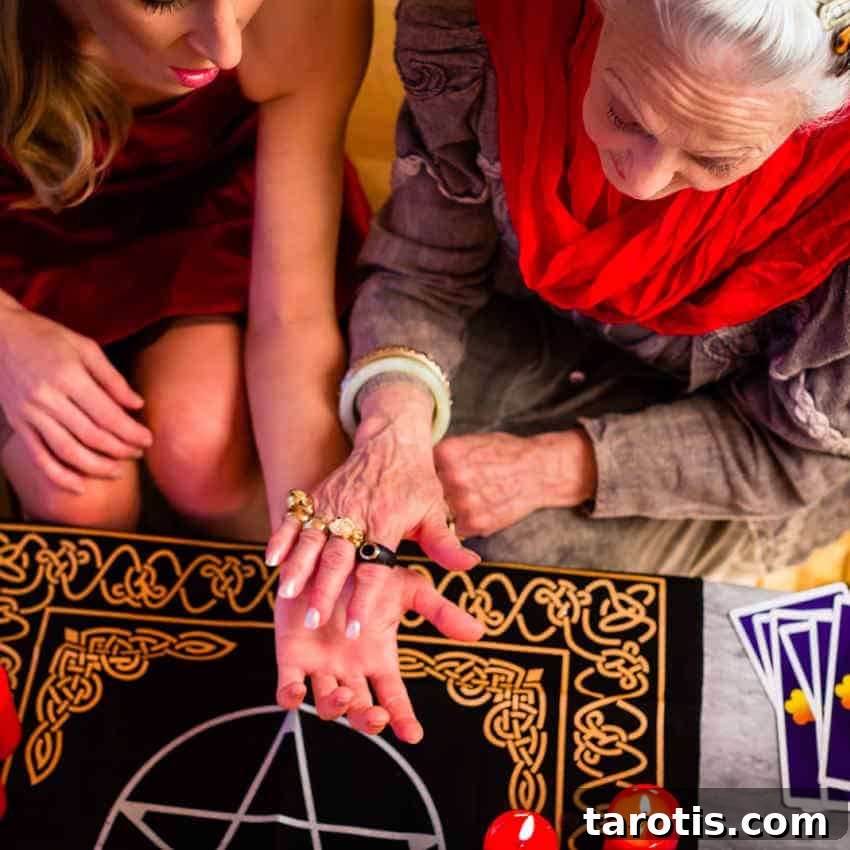
Did you know that the lines, bumps, and shapes of your hands can reveal insights about your personality and life path? Palmistry, or chiromancy, is the age-old practice of interpreting those signs to better understand yourself and make more informed choices. You don’t need to be a professional to begin noticing meaningful patterns—simply observing your own hands can be surprisingly revealing.
Today we explored how different hand shapes and finger types correspond to personality traits, impulsiveness, strengths, and potential weaknesses. Below is a clear, reader-friendly guide to the common hand and finger shapes used in palmistry, plus what your thumb can indicate about your willpower and temperament.

Palmistry has been practiced across cultures for thousands of years. While the major lines on the palm are important, an experienced reader also pays attention to the overall shape of the hand, finger length and shape, the thumb, knuckles, and nails. Each of these elements contributes pieces to the whole picture of personality and potential.
The Shape of the Hand
Square or Rectangular with Long Fingers
- Intellectual and curious about culture and ideas.
- May have nervous energy and like to stay busy.
- Able to interact well with others, even when reluctant.
- Often interested in many subjects; can spread attention too thin or act superficially at times.
Square or Rectangular with Short Fingers
- Strong-willed and focused.
- Highly practical and observant.
- Determined to pursue goals and takes responsibility when things go wrong.
Oval with Short Fingers
- Energetic and action-oriented.
- Natural instigator with leadership potential.
- May be impatient and occasionally overly assertive.
Oval with Long Fingers
- Deeply sensitive and compassionate, often intuitive.
- Guided more by feeling than by logic and can resist change.
Cone Shaped
- Passionate and intuitive with broad interests.
- Often has strong moral instincts and a good sense of justice.
- May be attuned to psychic impressions.
Overly Large Hand with Short Fingers
- Hardworking, logical, and practical—sometimes to the point of workaholism.
- Prefers functionality over frills and takes pride in reliable performance.
A Combination of Shapes
- Adaptable and versatile, often a “jack of all trades.”
- Enjoys multitasking, exploring ideas, and conversing on varied topics.
- Adjusts quickly to change and new situations.
The shape of the fingers adds important detail to the profile suggested by hand shape.
The Shape of the Fingers
Beyond hand shape, finger form, length, thumb characteristics, knuckles, and nail shape all carry meaning in palmistry. These aspects help refine the interpretation of temperament, talents, and tendencies.
Cone Shaped Fingers
- Quick-witted and often intuitive.
- May be somewhat gullible or easily influenced; tends to value peer opinion.
Pointed Fingers
- Idealistic, imaginative, and drawn to beauty and harmony.
- Creative but not always practical; prone to daydreaming and indulgence.
Flat Fingers
- Energetic, organized, and open to new ideas.
- Active and willing to try different approaches; potential for success through effort and discipline.
Square Fingers
- Practical, logical, and down-to-earth.
- Decisive, orderly, and inclined to let reason guide emotions.
The Thumb Has Special Significance
The thumb is considered distinct from the fingers in palmistry: it functions as an extension of the palm and has only two joints. Its shape, length, flexibility, and placement provide key clues about willpower, determination, and how you relate to others.
The Shape of the Thumb
- Cone-shaped: sensitive, artistic, and talented.
- Flat-shaped: original, inspiring, and creative.
- Club-shaped: stubborn, tenacious, and hard to please.
- Spatula-shaped: hardworking, conservative, and more comfortable following than leading.
- Square thumb: morally steady, emotionally controlled, sensible.
- Pointed thumb: reserved, struggles with self-expression, sometimes unrealistic.
- Large thumb: inspiring, goal-oriented, and a natural leader.
The Length of the Thumb
- Short thumb: tends to follow rather than lead, may be impressionable and attentive to others’ opinions.
- Stubby thumb: practical but sometimes lacking in tact or sensitivity.
- Long thumb: strong-willed and opinionated; can be stubborn.
The Flexibility of the Thumb
- Average flexibility: balanced potential for comfort, happiness, and success.
- Stiff thumb: cautious and careful, sometimes missing chances due to reluctance.
- Very flexible thumb: generous and accommodating, at risk of being taken advantage of.
The Placement of the Thumb on the Hand
- Thumb set low: independent, fair-minded, and morally grounded.
- Thumb set high: creative, headstrong, and obstinate.
- Thumb set medium: honest, kind, and determined.
Conclusion
While many people focus heavily on the lines of the palm, the overall shape of the hand, finger types, and the thumb provide equally valuable information. Lines, mounts (bumps), and markings certainly tell stories, but combining those details with the broader structure of the hand offers a more complete, nuanced reading.
Observing your own hands can reveal surprising truths about your character, strengths, and areas for growth—no formal training required. Try comparing your hand shape and finger characteristics with the descriptions above, and use those insights to better understand yourself and the people around you.