
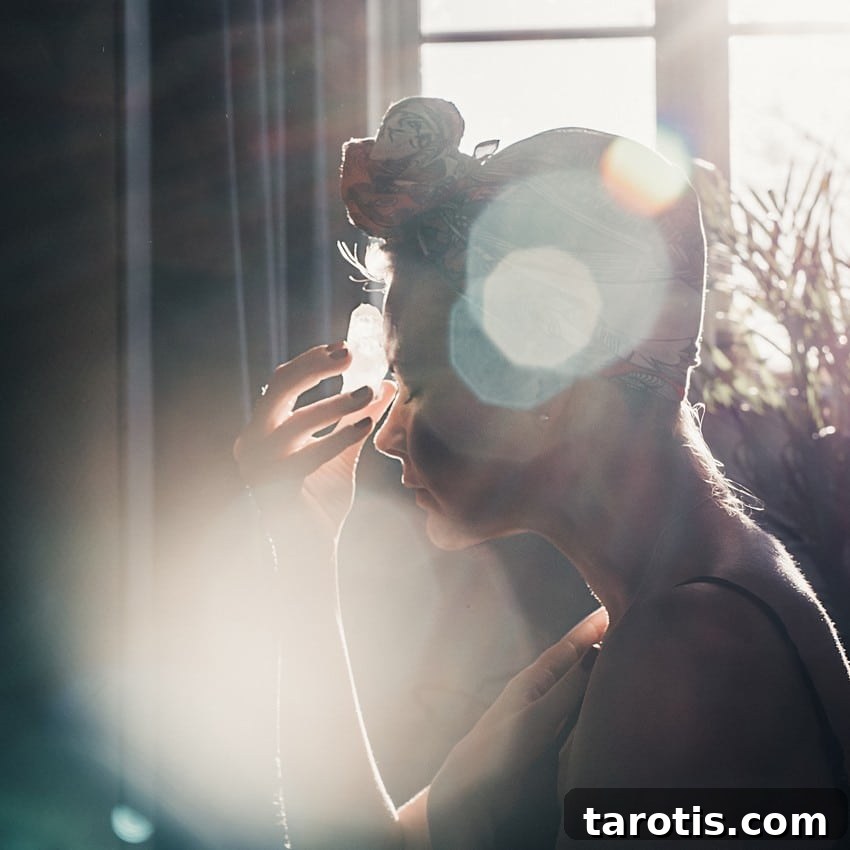
Have you ever sensed that your energy felt stuck or stagnant? Felt unexpectedly down, anxious, or insecure without a clear reason? Those sensations can point to an imbalance in your chakras.
Chakras are energy centers that run from the base of the spine to the crown of the head. When they are blocked or out of balance, they can produce emotional and physical symptoms. The word chakra comes from Sanskrit and means “wheel,” reflecting how these centers are imagined as spinning discs of energy. Each chakra corresponds to a different color, and when they are in harmony it feels like a balanced spectrum of energy within you.
Interest in chakra healing has grown because harmonized chakras can improve clarity, confidence, and emotional balance. When energy moves freely through these centers, you feel more present and capable; when it doesn’t, tension or disruption can appear in both body and mind.
Below is an overview of the seven major chakras, what each one governs, signs of imbalance, and practical ways to restore healthy energy flow. Use this as a guide to help you identify which chakra might need attention and how to support it.
The Seven Major Chakras
Understanding each chakra’s role helps you recognize how energy imbalances show up in daily life. Here are the seven main chakras, their functions, and how to work with them.
The Root Chakra

Located at the base of the spine, the Root chakra is associated with the color red and governs survival instincts, safety, and physical needs like food, shelter, and rest. It anchors you to the material world and supports a sense of stability and belonging.
When balanced, the Root chakra fosters security, groundedness, and confidence that your basic needs will be met. If overactive, it can create restlessness, anger, or excessive attachments. If underactive or blocked, it can cause fatigue, apathy, or feelings of insignificance, and sometimes physical symptoms like low energy or circulatory issues.
To heal the Root chakra, ground yourself in the color red, eat red fruits and vegetables, work with warming essential oils such as sandalwood or ginger diluted in a carrier oil, and use grounding stones like red jasper, carnelian, hematite, or black obsidian. Physical movement, time in nature, and practices that build financial or home stability also help.
The Sacral Chakra

The Sacral chakra sits below the navel and is linked to the color orange. It governs creativity, pleasure, sexuality, and emotional flow. A balanced Sacral chakra supports joy, creative expression, and healthy intimacy.
An overactive Sacral chakra can lead to excessive or uncontrolled urges and emotional intensity. A blocked Sacral chakra can result in creative blocks, low libido, moodiness, or emotional numbness, and sometimes physical issues related to reproductive or urinary health.
Support this center with orange foods like carrots and oranges, wear or surround yourself with orange, use essential oils such as neroli or cardamom, and work with resonant stones like carnelian, sunstone, or amber. Creative projects, dance, and water-based activities also stimulate healthy Sacral energy.
The Solar Plexus Chakra

The Solar Plexus chakra, located behind the navel, corresponds to yellow and relates to personal power, confidence, and will. It’s the center of self-assurance, motivation, and the “gut” instincts that guide decisions.
A balanced Solar Plexus chakra supports healthy self-esteem and the ability to take effective action. If overactive, it can show up as arrogance or controlling behavior. If underactive or blocked, it can create self-doubt, low motivation, digestive issues, and difficulty focusing.
Heal and strengthen this chakra by visualizing yellow light, wearing yellow, eating yellow foods like bananas and corn, and using essential oils such as frankincense or myrrh applied with care. Practices that build confidence, set boundaries, and cultivate discipline are also effective.
The Heart Chakra

Located at the center of the chest and associated with green, the Heart chakra is the emotional center that governs love, compassion, forgiveness, and connection. It is where empathy and deep relationship with self and others arise.
When the Heart chakra is open, you experience generosity, trust, and emotional resilience. Overactivity can make you possessive or unable to set healthy boundaries; blockage can cause isolation, difficulty trusting, or emotional numbness, and sometimes physical issues like respiratory or circulatory strain.
Support the Heart chakra by spending time in nature, eating green foods like leafy vegetables, working with green stones such as jade or green aventurine, and using rose or jasmine essential oils. Practices of forgiveness, loving-kindness meditation, and healthy relationship work strengthen this center.
The Throat Chakra

The Throat chakra, found at the center of the neck and linked to blue, governs communication, self-expression, and authenticity. It helps you decide when to speak and when to listen and supports clear, creative expression.
An overactive Throat chakra can lead to interrupting or overly forceful speech; a blocked Throat chakra can cause shyness, suppressed creativity, and physical symptoms like sore throat or voice issues. To heal it, wear blue, use blue-hued crystals like lapis lazuli or aquamarine, and try essential oils such as eucalyptus or rosemary applied externally after proper dilution. Vocal exercises, journaling, singing, and mindful communication practices are very helpful.
The Third Eye Chakra

The Third Eye chakra sits between the eyebrows and is associated with indigo. It oversees intuition, insight, imagination, and perception. A balanced Third Eye supports clarity, visionary thinking, and the ability to trust inner guidance.
If this chakra is overactive, you may experience confusing or overwhelming mental imagery and distrust of reality. If underactive, you can feel uninspired, disconnected from intuition, or mentally foggy. Physical symptoms can include headaches or sleep disturbances.
Balance the Third Eye with visual meditations, indigo visualization, essential oils such as clary sage or patchouli, and stones like labradorite. Dreamwork, quiet reflection, and practices that refine perception strengthen this center.
The Crown Chakra

The Crown chakra, at the top of the head, is linked to white or violet and governs spiritual connection, meaning, and unity with something greater than yourself. It facilitates access to higher wisdom and a sense of purpose beyond the individual self.
A balanced Crown chakra fosters spiritual openness and a sense of belonging to the larger whole. Overactivity can lead to spiritual pride or isolation, while blockage often causes disconnection from spiritual life, cynicism, or a diminished sense of meaning. Physical signs can include tension headaches or circulatory issues.
Support this chakra by working with violet or white light visualization, using calming essential oils like lavender, spending time in contemplation or under the night sky, and incorporating purple foods such as eggplant or berries into your diet. Meditation, prayer, and practices that cultivate humility and receptivity help restore balance.
In Conclusion…
Keeping your chakras balanced supports emotional resilience, physical well-being, and spiritual clarity. Each chakra corresponds to specific aspects of life, and imbalances can show up as emotional, mental, or physical symptoms. Fortunately, there are many accessible, natural ways to bring these energy centers back into harmony, from color and food choices to essential oils, crystals, movement, and meditation.
Pay attention to where you feel stuck or depleted and choose gentle practices that resonate with you to restore flow. Small, consistent steps—like grounding exercises, creative expression, clear communication, and quiet reflection—can make a meaningful difference in how you feel and function.