
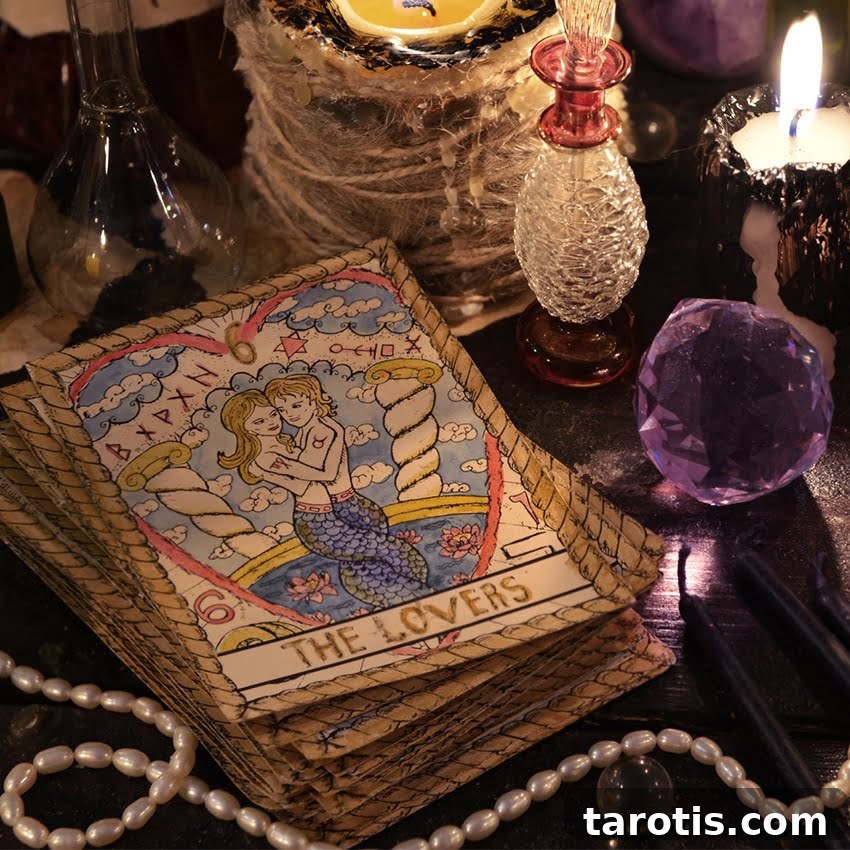
A tarot reading can provide clarity when you’re facing difficult decisions—whether about love, career, finances, or major life changes. While consulting a professional reader is helpful, you don’t always have one available. Fortunately, simple tarot spreads let you get immediate insight on your own. A three-card tarot spread is a versatile, quick method to explore the past, present, and future of almost any question.
Related Article: 3 Common Mistakes When Reading Your Own Tarot
What You’ll Need
- Deck of tarot cards
- Tarot reading guide
- Clear, focused mind
- Regular practice to build confidence
How to Do the Reading
Shuffle the Cards
There’s no single correct way to shuffle tarot cards. Fan them, shuffle like playing cards, or cut them into piles—choose whatever feels natural. While shuffling, concentrate on the question you want the cards to address; this focus helps connect your energy to the reading. Calm concentration matters more than perfect technique.
Select Three Cards
Your energy influences the cards as you shuffle, cut, and select. Some readers divide the deck into three piles and take the top card of each, others fan the deck and pick intuitively, and some simply take the first three cards. The important part is preserving the order you selected them in. Lay the cards out from left to right and read them in that sequence.
Read the Cards: Past, Present, and Future
Tarot works as a tool to help uncover insights you already hold inside. Each card’s symbols and imagery reveal aspects of your situation. In a three-card spread, the left card reflects the past, the center card represents the present, and the right card points to the future in relation to your question.
Place your chosen cards face up in the order you drew them. Keep an open mind and let the imagery and meanings come forward. Use your tarot guide to interpret each card, then consider how the three cards relate to one another and to your question.
Interpreting Your Cards
First Card: The Past
The first card highlights past events and influences connected to your question. It can reveal patterns, choices, or people that led to the current situation. Court cards may indicate individuals who played a role.
Second Card: The Present
The second card describes the current state of affairs. It can reveal hidden information, obstacles, or the real dynamics at work. This card helps you understand where you truly stand regarding the issue you asked about.
Third Card: The Future
The third card suggests a likely direction or outcome based on present energies. It offers insight into how events may unfold and can point to actions you might take to influence the result. Remember that the future shown by the cards reflects current tendencies and can change with different choices.
Consult a reliable tarot card meanings reference and apply those interpretations to the question you held while shuffling. Pay attention to your immediate impressions—your first thoughts and feelings about each card are valuable. Over time, as you learn symbolism and grow more attuned to your deck, your intuition will play a larger role in interpretation.
When a reading brings uncomfortable or challenging cards, use that information constructively: identify steps you can take to change an outcome or prepare yourself emotionally. Dark cards are not final verdicts but indicators of energies or fears that may be present. Tarot reflects the moment and the querent’s mindset as much as external events.
Related Article: How to Read Tarot Reversals
Beginning Your Tarot Journey
A three-card spread is an excellent starting point for building tarot skills. As you gain experience, you can experiment with larger layouts—such as a seven-card relationship spread or the Celtic Cross—to explore more complex dynamics. Even as you progress, return to the three-card reading regularly: its simplicity makes it a powerful, flexible tool for quick clarity and ongoing self-reflection.