
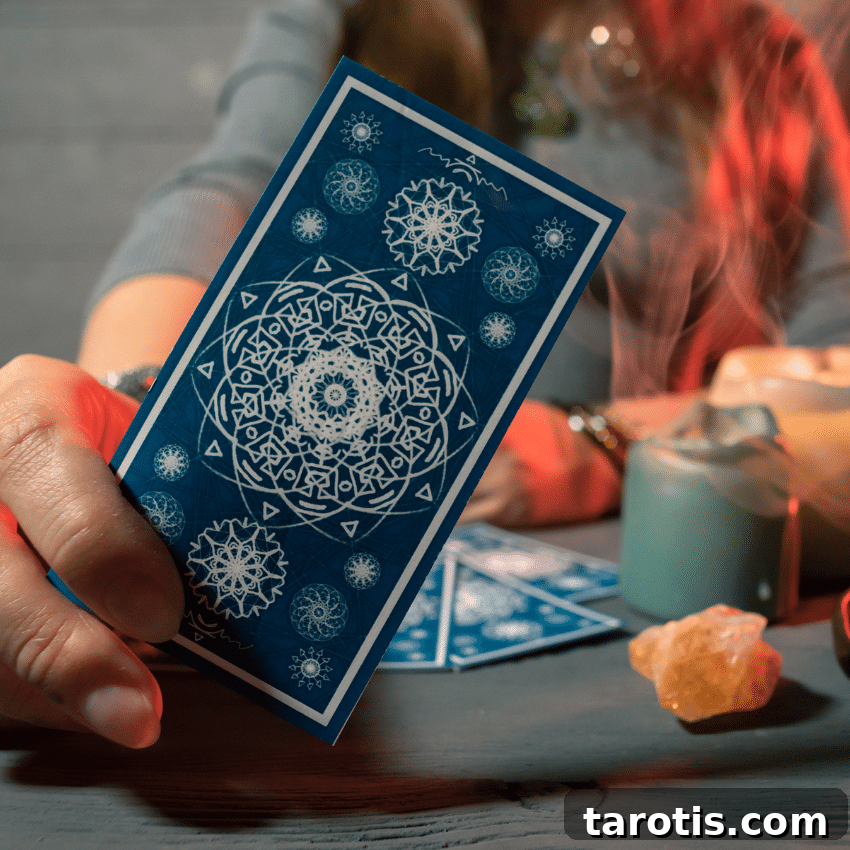
How often have you woken up wondering whether today will be good or challenging? Maybe a big event is on your schedule and you feel anxious, or perhaps you have a vague sense that something wonderful is about to happen. The Tarot can help clarify those daily uncertainties.
While astrology and horoscopes offer a broad view, divination tools like the Tarot provide focused, practical guidance for everyday questions. The Tarot’s rich symbolism offers detailed answers that help you plan and respond to your day with greater confidence.
Below are straightforward ways to use the Tarot to guide your day, whether you want a quick yes-or-no check or a brief timeline of what to expect.
The Tarot Has an Answer for Every Question
Each Tarot card is packed with imagery and meaning, so the deck can address nearly any question you bring to it. If you’re curious about whether you’ll have a good day, simply ask the Tarot. Even a single card can reveal the most significant theme or influence for the day.
Two simple spreads work especially well for daily readings: a 1-card draw for quick clarity and a 3-card draw for a morning/noon/night snapshot. Before using either spread, prepare your mindset so your reading is focused and meaningful.
How to Prepare to Have an Amazing Day
Start with a tarot deck that resonates with you. You don’t need formal training—what matters is tuning into your intuition and creating a quiet moment to connect with the cards. Distractions reduce the accuracy of a reading, so put away phones and find a short window of calm. Lighting a white candle can help create a soothing atmosphere, but it’s optional.
Shuffle the deck in whatever way feels natural: overhand cuts, riffles, or even letting the cards fall and reorganizing them. The method matters less than your intention. While shuffling, focus on your question—silently or aloud—and try to clear your mind of other thoughts. Keep the question simple and direct; the Tarot will highlight the most significant influence on your day.
Keep it Simple With a 1-card Spread
The 1-card spread is ideal for quick yes-or-no guidance. Examples of useful questions include:
Will I have a good day at work today?
Will the meeting go well?
Should I bring up that issue with my partner today?
Draw the card in whatever way feels right—cut the deck, take the top card, or let a card “jump” to your hand. When you view the card, listen to your immediate impression and the symbols on the card. Often, lighter, brighter cards suggest favorable outcomes, while darker or more turbulent imagery can indicate challenges.
For example, the Death card may signal an ending rather than literal death; it can mean transformation, completion of a project, or a transition that leads to something new. A card like the 5 of Wands may indicate conflict or workplace tension even if the overall tone is light. The Sun, by contrast, is a clear positive sign and suggests a joyous, successful day.
Even if you don’t know every card meaning, trust your first instincts. Your immediate emotional response to the image often provides the most useful guidance.
Morning, Noon, and Night With a 3-card Spread
For busier or more important days, a 3-card spread gives a quick timeline: morning, midday, and evening. Place one card for each part of the day to identify potential highlights and trouble spots. If a card in any segment raises concern or confusion, draw additional cards for that time block to gain deeper insight.
Use the same approach to interpret tone: lighter images tend to point to positive experiences, and darker imagery suggests areas to watch. If a reading feels discouraging, follow up with specific questions like “How can I have a good day today?” and draw more cards to reveal practical steps or attitudes that can improve outcomes.
Stay Positive!
Approach the Tarot with a mindset of possibility. Readings are most empowering when you use them to prepare, adjust, and respond constructively. Even challenging cards often highlight lessons or opportunities for growth—view them as prompts to act intentionally rather than as fixed fate.
For daily guidance, combine Tarot readings with other tools you use—such as a daily horoscope—to get a fuller picture of the day ahead. With a short, focused reading each morning, you can anticipate potential obstacles, seize promising moments, and shape a better day through awareness and positive action.