
Are you feeling the energy and occasional stress that comes with spring? Many of us love this season, yet it often brings a rush of plans and obligations. Pause for a moment and breathe. Say the word “Chakra” with me. It’s pronounced “Shaw-krah.” Even saying it can feel soothing.
In this article we’ll explore a gentle, practical tool for balancing your chakras: Reiki stones. Using these stones can help align your energy centers, promote calm, and support healing. This straightforward Reiki stones guide and checklist is designed so anyone can begin working with them.
What is Reiki? What is a chakra?
Chakras are energetic centers in the body—often described as wheels of energy—that influence physical, emotional, and spiritual well-being. There are seven main chakras, each with its own purpose and associated color. These centers help guide us along our life path.
Reiki is an energetic healing practice developed in 1922 by Japanese Buddhist Mikao Usui. It is based on the idea of a universal life force—known in Chinese culture as Chi or Qi—that flows through and around us. Reiki practitioners channel this life force, typically through gentle touch or hand placements, to help restore balance and support healing.
The energy that moves through the chakras is the same life force energy Reiki works with. Reiki helps ensure that energy flows to where it is needed, supporting a sense of wholeness and clarity.
1. What are Reiki stones?
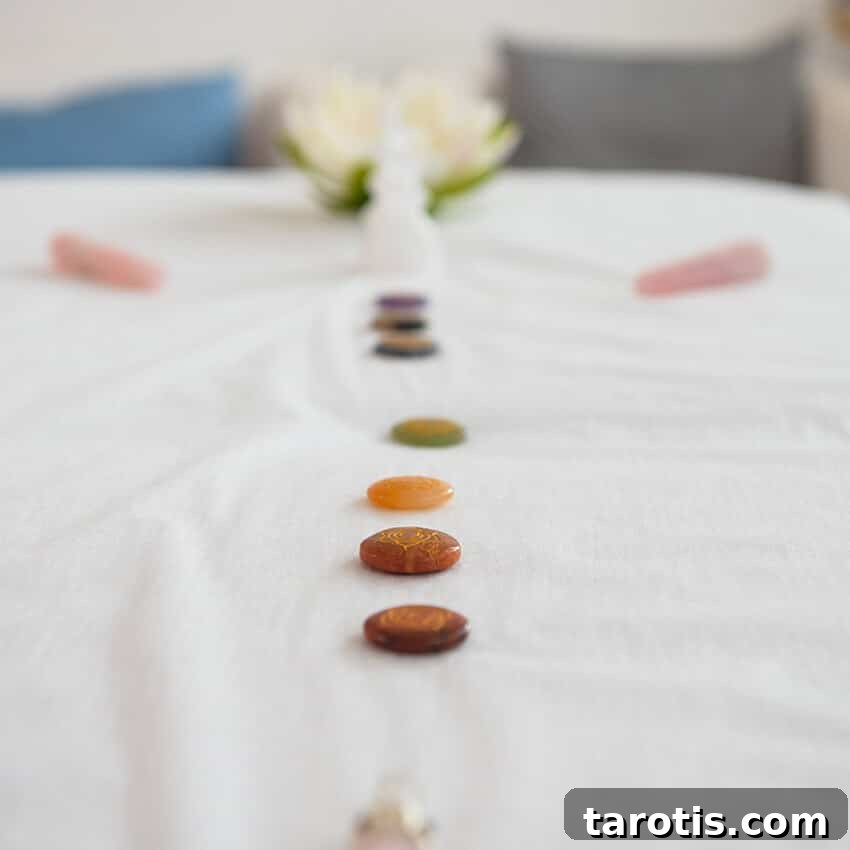
Reiki stones are polished, often decorated stones bearing symbols used in Reiki practice. These symbols are meant to connect the user to universal life force energy. Each stone typically represents a particular vibration or aspect of chakra work. While traditional Reiki stones may be crafted from materials like black jasper with gold leaf, they can also be made from many other stones chosen for their vibrational qualities, including calcite, quartz, lepidolite, pink manganocalcite, and rose quartz.
Beyond their symbolic use, the stones’ tactile and visual beauty often has a calming effect even before they are actively used in healing. In practice, Reiki stones are treated as extensions of the hands, helping direct energy with intention.
2. How are Reiki stones used?
Before using any Reiki stone, it should be cleared and then programmed with your intent. Clearing removes unwanted or stagnant energy and ensures the stone is ready to support healing. A properly cleared stone typically feels light and positive to the touch; a stone that needs clearing may feel heavy or dull.
Common clearing methods include passing the stone through smoke from dried sage (Salvia) or incense while setting an intention for purification. Programming a stone means dedicating it to a specific purpose—you hold the stone, focus on your intention, and mentally or verbally dedicate it. Once programmed, the stone retains that intent until it is reprogrammed.
3. What do the symbols and colors represent?
Reiki stones often correspond to the seven main chakras, each associated with a color and specific functions. The colors and recommended uses include:
• Red – Root Chakra: Supports grounding and physical vitality. Use on areas requiring physical healing or stability.
• Orange – Sacral Chakra: Restores balance and supports creativity and emotional regulation. Carry it with you or place it near the lower abdomen to align sacral energy.
• Yellow – Solar Plexus Chakra: Boosts confidence and personal power. Use this stone when you need a lift in self-assurance or to reduce stress.
• Green – Heart Chakra: Supports compassion, healing, and opening to love. Place on the heart area while lying down and breathe gently to clear negative energy and invite openness.
• Blue – Throat Chakra: Facilitates clear, heartfelt communication with others and the Divine. Hold it to help express truth with integrity.
• Pink – Third Eye Chakra: Although the third eye is often associated with indigo, a pink stone can enhance intuition and compassionate inner vision, helping to reframe pain as temporary and open pathways to healing insights.
• Purple – Crown Chakra: Connected to spiritual awareness and divine connection. This is considered a very powerful stone for opening psychic awareness and connecting with higher guidance. With practice, sensitive practitioners may perceive subtle energetic vibrations from it.
4. Why use Reiki stones?
Reiki stones are used to concentrate and ground energy. For practitioners, the stones serve as intentional extensions of the hands, helping to direct universal energy during a session. They support those who wish to practice compassionate, focused healing.
You can use Reiki stones to assist others—children, animals, elders, or those with special needs—or simply for personal comfort and relief. No certification is required to use the stones; anyone drawn to them can begin incorporating them into a healing routine.
5. How often should you use Reiki stones?
Reiki stones can be used whenever you practice Reiki or feel the need for energetic support. After each session, it’s good practice to cleanse the stones and offer a brief expression of gratitude to the energy or guides you called upon. Place the stones in a clean, safe spot between uses.
Daily short sessions—such as lying down with a stone on the relevant chakra—can be a simple way to maintain balance. Cleanse with smoke or incense when needed, and keep your intention clear.
Concluding thoughts
Reiki stones offer a gentle, respectful way to work with universal energy and support chakra balance. When used with mindfulness and gratitude, they can be calming tools for navigating stress, opening to healing, and deepening your spiritual practice. If you’re curious, try a short session today and observe what shifts for you.
Have you tried Reiki stones or chakra healing? Consider reflecting on what felt most supportive and what changes you noticed in your energy or mood.