
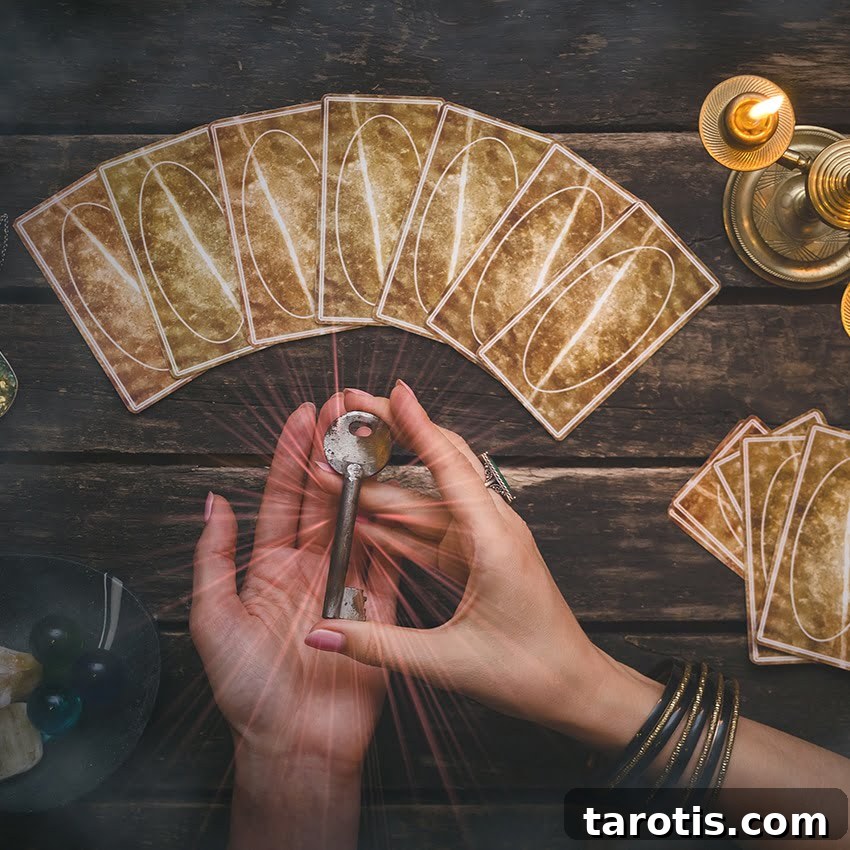
Intuition is a natural faculty we all possess, though many people gradually lose touch with it. As children our intuitive sense is often strongest, but as we grow we encounter influences that can block it: an over-reliance on rational thought, worry, fear, expectations, judgment, prejudice, assumptions, or cultural training that discourages emotional awareness.
The strength of a person’s intuition can change over time, and it’s always possible to regain it with intention and practice. Intuition can sometimes conflict with the rational mind, which may cause confusion—for example, you might meet someone who seems charming and kind, yet you feel an unexplained aversion. That immediate reaction is your intuition at work.
For Tarot readers, intuition is an essential tool. A deck contains many cards with multiple potential meanings, along with numerology and astrological associations, elemental correspondences, and court card interpretations. While the rational mind is useful for learning and memorizing these details, the intuitive mind provides the insight needed to interpret a specific spread. Read on for practical ways to cultivate and apply intuition when working with Tarot cards.
Put Away the Books…
Books, websites, and magazines about Tarot are valuable resources, but to develop intuitive reading skills you must sometimes set them aside. Avoid guidebooks, apps, and online searches while reading. When you read intuitively, you’re not relying on memorized meanings. For instance, you might know that the 10 of Wands typically represents burdens, fatigue, or taking on too much. Yet if you look at the card without referencing prior learned meanings, a different impression may arise—perhaps a sense that the struggle is nearing an end, that lack of rest is causing physical complaint, or even an image of someone stooped under their load.
Intuitive impressions will always align with the imagery on the card even if they differ from textbook definitions. Intuitive information often arrives without a clear explanation of how or why, and learning to trust those impressions is central to intuitive Tarot reading.
… & Pay Attention to Your Feelings
Trusting your emotional responses is crucial. When you focus on a card, notice how it makes you feel. If you draw the 9 of Swords, a card commonly associated with anxiety or fear, pause and ask yourself what specific emotions arise. Do you feel terror, worry, or anguish? Or do you sense strength, resilience, or resignation? The particular emotion that surfaces will shape the interpretation and reveal the tone of the message.
By tuning into the energy a card conveys, you gain clearer insight into its meaning within the context of the reading.
Storytelling with the Tarot
Storytelling is a powerful and enjoyable way to harness intuition. Lay out the cards and imagine the story they tell. Pay attention to characters, scenes, and interactions that appear in the imagery. For example, the Devil card often depicts a horned figure overseeing two bound individuals. The scene suggests entrapment, bondage, or unhealthy attachment. Notice details like facial expressions, setting, and symbols such as fire or chains.
Ask questions to build the narrative:
- What led to this situation?
- How do the figures feel about one another?
- What does the background figure represent?
- What might happen next?
You can write down responses, consider the beginning, middle, and end of the story, and then apply the narrative to the querent’s question. If the question is “How does so-and-so feel about me?” and the Devil appears, the story might indicate feelings of entrapment, obsession, or forbidden desire. The card’s imagery of nakedness and chains can point to lust, addiction, or a relationship dynamic that feels constraining.
Use storytelling to connect card imagery to the querent’s situation and to draw a coherent, intuitive interpretation.
Concluding Thoughts…
Intuitive Tarot reading is a skill anyone can develop through practice and trust in their own perceptions. The techniques described—setting aside reference materials, tuning into feelings, and constructing narratives—help strengthen intuitive awareness. With regular practice your intuitive abilities will grow, enhancing not only your Tarot readings but also your decision-making and perception in everyday life.
Related Article: Biddy Answers: 5 Tarot Card Spreads for Everyday Life