
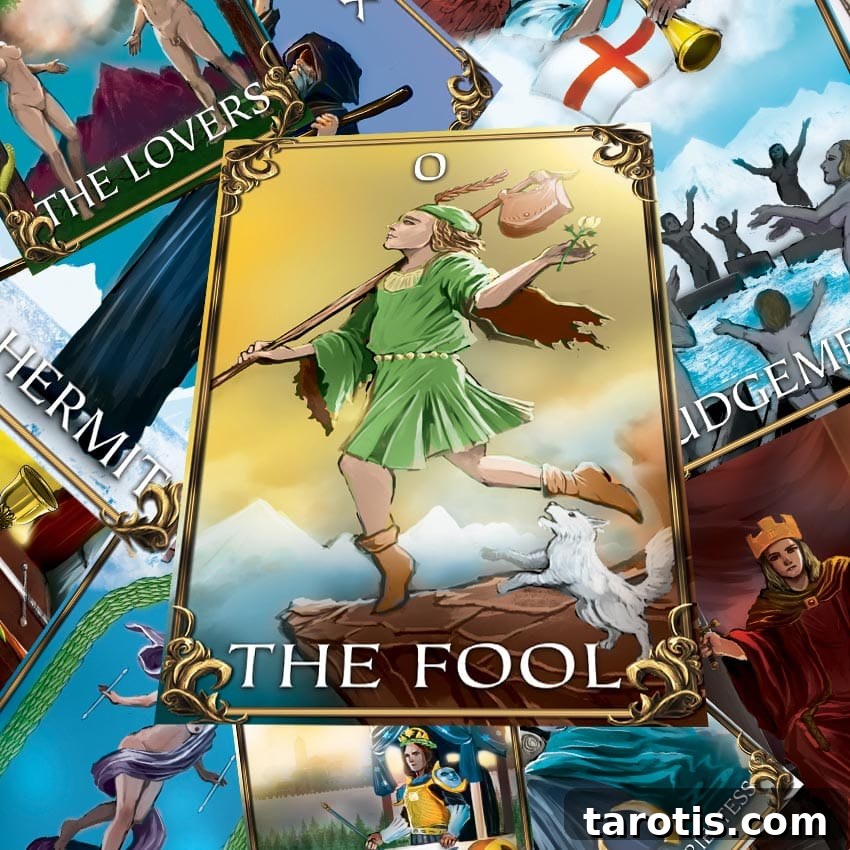
It’s exciting, isn’t it? You have your Tarot cards and feel the pull of their mystery. You want to use them to learn about yourself, but you’ve likely heard that you shouldn’t read your own cards. The truth is, you absolutely can read for yourself. No one understands your inner life better than you do — the challenge is remaining objective enough to hear what the cards are actually saying. Avoid these three common mistakes, and your personal Tarot practice can become a useful, insightful tool.
Related: How to Do Your Own Daily Tarot Reading
Common Mistake #1: Reading Your Tarot in the Middle of a Crisis
When emotions run high during a crisis, it’s natural to want answers immediately. This is exactly the time to avoid reading your own cards. In moments of intense stress you’re more likely to seek the message you want to hear instead of what the cards actually reveal.
Under emotional pressure, you might repeatedly draw extra cards, change spreads, or keep redoing readings in an attempt to alter the outcome. That pattern usually increases confusion and frustration rather than providing clarity.
The wiser approach is to wait until you feel calmer and can read from a steadier, more balanced place. If you must read while upset, set strict boundaries: choose a single spread and commit to it; don’t add extra cards or ask the same question repeatedly. Record only the factual details of the reading — which card fell where, whether it was upright or reversed, and the traditional meanings — rather than immediately interpreting them through the lens of your current stress. Then step away. Return later with a cooler head to reflect on the cards and what they might be pointing to. To get real help from Tarot, you need to set your emotions aside long enough to listen to the message.
Common Mistake #2: Overcomplicating Things
It’s tempting to think more cards equal more useful information, especially when you’re eager to learn everything Tarot offers. In reality, complicated spreads create more room for misinterpretation. The Tarot is rich and layered, but that richness becomes meaningful when you take time to digest it. Trying to absorb a very complex spread at once can muddy rather than clarify your understanding.
Keep things simple. Use small, focused spreads and build from there. For general insight, a 3-card reading is highly effective: card one for past influences, card two for present conditions, and card three for potential outcomes. If you’re choosing between two options, use a 2-card spread — one card for each path. And never underestimate the power of a single-card pull. Focus on a clear question, pull one card, and let that image and meaning give you a precise, concentrated insight.
When the situation matters most, simplicity often yields the clearest guidance.
Common Mistake #3: Trying to Change the Outcome
Many people try to bend a reading to fit what they want to hear. After drawing clear cards that present an unwelcome truth, you might doubt your interpretation, consult someone else about your specific cards, or search Tarot dictionaries and online sources until you find a meaning that feels preferable. These responses are your unconscious resisting an inconvenient message.
If you do consult a professional reader, ask them to do a fresh spread rather than interpreting the same cards you already drew. Sharing your drawn cards and seeking confirmation often prevents you from receiving new, impartial insight. Likewise, searching for alternative meanings to validate a desired outcome only undermines the purpose of a reading.
Instead, use a journal or private log to capture your reading and your initial reactions. Writing helps you track how messages evolve over time and allows you to return to the reading later with greater clarity. Accepting uncomfortable truths is difficult, but it’s also the path to learning and growth.
Related: What to Do if Tarot Gives You Bad News
Do It For Yourself
Reading your own Tarot is a legitimate and rewarding practice. Draw a daily card and note your impressions of the imagery alongside traditional meanings. Use occasional spreads to gain perspective on where you are and how you might move forward. By avoiding reading during crises, keeping spreads simple, and resisting the urge to force a preferred outcome, you’ll discover that Tarot can offer clear, practical guidance and meaningful insight into your life.
Up next: What is the Tarot Trying to Tell You in a Love Reading?