
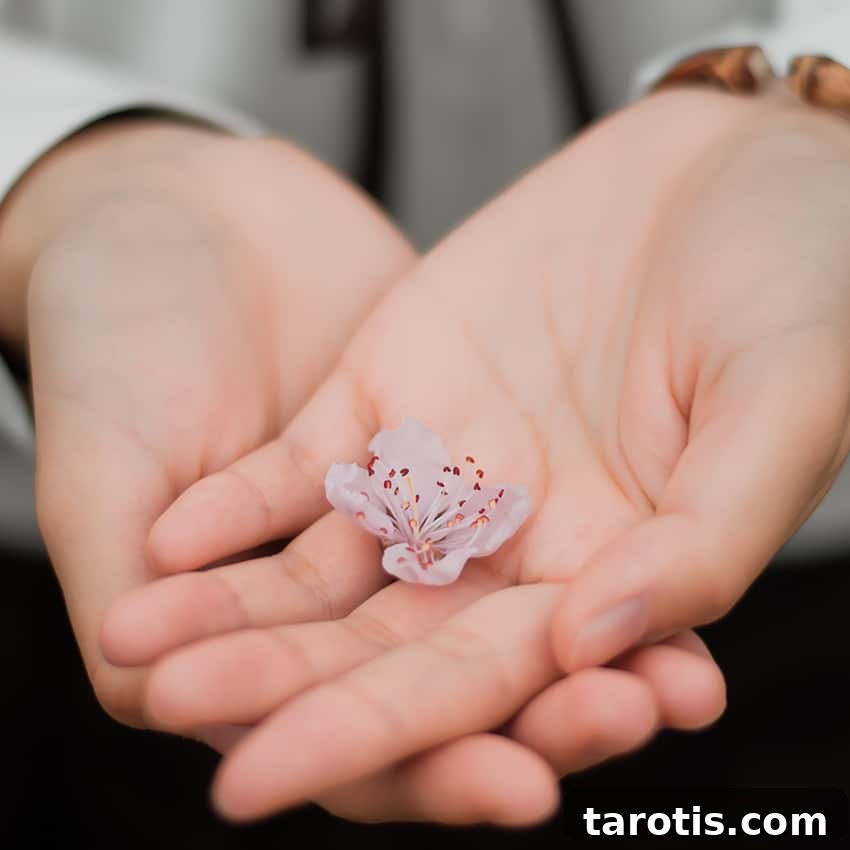
The ancient art of palmistry, with roots in Indian and Chinese astrology, reads the hands to reveal aspects of character and potential life events. In China, palmistry was practiced as far back as the Zhou Dynasty, roughly 3,000 years ago. It was there that readers began distinguishing between the right and left hands: one seen as dominant and the other as passive. Traditionally the left palm reflects the qualities you were born with, while the right palm reveals how those qualities develop and influence your life as you grow older.
Although each palm reading is unique, patterns recur among people who share similar astrological elements. This applies to both Western and Chinese astrology. Because palmistry has a long history in China, it naturally connects to the Chinese Zodiac and its combination of animals and elements. Those links become especially clear when examining the four trines of the Chinese Zodiac, groups of three animals that share core traits and strong compatibility. While members of a trine may belong to different elements, they often share motivations, relationship needs, and life goals.
In palmistry, three primary lines are commonly read: the life line, the head line, and the heart line. Readers also consider secondary lines such as the marriage line, money line, and child line to add nuances to a person’s profile.
What is the 1st Trine of the Chinese Zodiac?
The first trine of the Chinese Zodiac consists of the Rat, the Dragon, and the Monkey.
These animals possess strong, dynamic energy. They can achieve great good or, in their worst expressions, become domineering. They are often natural leaders, ambitious and sometimes unpredictable. Below are descriptions of each animal in the first trine along with common palmistry correlations.
Rat:
The Rat is associated with the water element, which emphasizes emotional depth and sensitivity. Rat hands are often rectangular with long fingers, reflecting a blend of emotional awareness and intellectual control. In palmistry, Rats commonly display prominent head lines, indicating a high value on wisdom and analytical thinking. They can be creative when they choose to be, but generally they demonstrate restraint—like a steady brook rather than an overwhelming tide. Rats typically manage their emotions well and often use feelings as tools guided by a rational mind.
Dragon:
The Dragon is linked to the earth element, signaling a practical, grounded approach to life. Dragons tend to be ambitious high achievers who aim high and refuse to settle. Their palms are often square with shorter fingers, a hand shape that conveys solidity and determination. In palmistry, Dragons frequently have strong heart lines, showing their sensitivity to emotional experience and interpersonal dynamics. A secondary line running parallel to the life line is also common, suggesting robust vitality and stamina.
Monkey:
The Monkey corresponds to the metal element, an aspect not present in Western astrology. Metal represents strength, precision, and a focused will. Monkeys are typically self-reliant and highly driven. On the palm, upward branches and many ambitious marks are common, reflecting lofty goals and restless energy. This can make it harder for them to concentrate on a single task for long, which is why Monkeys often pair well with the grounding influence of Dragons and the methodical nature of Rats.
Conclusion…
Check back soon for palmistry insights on the second, third, and fourth trines.
Palmistry is a layered and engaging form of divination. When combined with Chinese astrology, it can deepen our understanding of personality traits and potential life paths. As with all esoteric practices, these tools offer guidance rather than fixed destiny. Human free will remains central: we shape our own lives even as we use astrology and palmistry to inform choices and gain perspective.
Read this next: The Luckiest Crystals For Your Chinese Zodiac Sign