
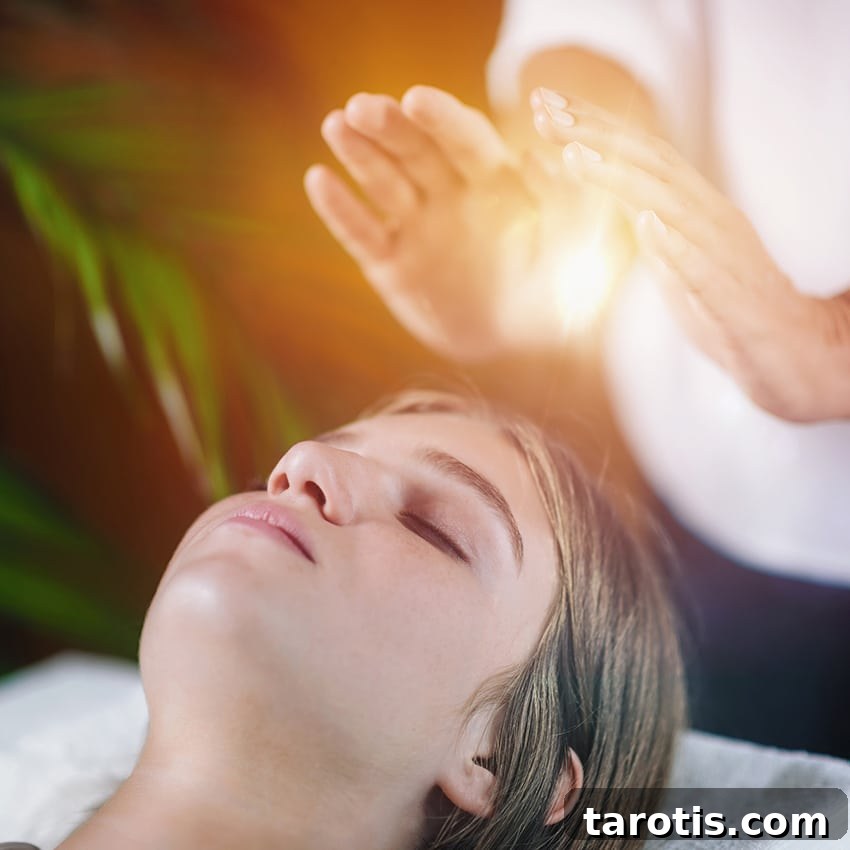
Reiki traces back to the late 1800s when Dr. Mikao Usui developed a system of energy healing after a prolonged period of meditation on a mountain. He described receiving a clear, healing energy that could be channeled to support others. Since then, Reiki has been passed down through practitioners and shared with people worldwide.
Now more widely recognized, Reiki—often translated as Universal Life Force Energy—refers to channeling universal energy through the practitioner’s body, especially through the heart and hands, to a recipient or focused intention. Reiki can be given in person or sent distantly, and many modern practitioners use both approaches.
Historically, Dr. Usui practiced distant healing by working with photographs of recipients. He would perform Reiki in a different room of his home while holding the image of the person he intended to treat.
At its core, Reiki helps bring balance to the mind, body, and spirit, supporting alignment with one’s highest self. It can enhance intuition and psychic sensitivity while facilitating the release of blocked energy and past traumas. Because all living beings operate at certain vibrational frequencies, Reiki assists in raising personal vibration by clearing energetic obstacles and inviting more light into the energy field.
Reiki’s presence is expanding into mainstream settings, including hospitals and clinics, where it is increasingly recognized as a supportive modality for patients. The practice is guided by an intention for the highest good; practitioners often describe Reiki as a pure, loving energy that brings healing and transformation in ways that honor each person’s unique path.
1. People are reclaiming their innate power to become their own healers
Receiving Reiki can be deeply rejuvenating—many people report progressive benefits with regular sessions. At the same time, Reiki empowers individuals to cultivate their own healing capacity. Being attuned to Reiki allows people to work on themselves, offer support to others, and even assist plants and animals. This personal empowerment creates ripple effects: as more people live with greater balance and vitality, the collective energy shifts in positive ways.
Because Reiki is not bound by time, it can be applied to heal current issues, address past traumas, and support intentions for future outcomes.
2. Natural healing options are gaining traction as alternatives or complements to pharmaceuticals
Reiki is a gentle, noninvasive practice that supports recovery after surgery, can alleviate symptoms of depression and anxiety, assists in trauma recovery, and may reduce headaches and migraines, among other benefits. As people explore integrative approaches, Reiki is often embraced alongside conventional care to support deeper healing rather than merely masking symptoms.
Note: Reiki is a complementary modality and should not replace professional medical evaluation and treatment where needed. Consult healthcare providers when addressing illnesses or injuries; Reiki can serve as a supportive adjunct under medical guidance.
3. Reiki deepens faith and connection with the Divine, promoting alignment and flow
Working with Reiki means aligning with a universal energy often described as unconditional love and light. Practitioners emphasize that Reiki’s guidance always aims for the highest good and causes no harm. Regular practice can enhance trust in life’s unfolding, help restore balance in relationships and situations, and foster a greater sense of fulfillment and flow.
Reiki offers a pathway toward personal empowerment, spiritual connection, and alignment with one’s highest self. For those interested in deepening their experience, structured programs and courses provide guided opportunities to learn Reiki and integrate it into daily life. If you want to explore learning Reiki or participating in a guided journey focused on living in alignment, reach out to a qualified practitioner to discuss options and next steps.
Related article: Exploring Alternative Relaxation Techniques