
There’s a good chance you’ve heard of Reiki healing, as it has grown in popularity alongside practices like meditation, yoga, and chakra work. If you’re wondering what Reiki actually is, here’s a clear overview.
The term “Reiki” combines Japanese and Chinese roots: “Rei,” often translated as spiritual or universal, and “ki,” meaning life force or energy. Our bodies and minds run on energy, and when that energy is blocked or misaligned we can feel emotionally, mentally, or physically drained.
Reiki is an energy-based practice that aims to redistribute and balance that life force within the body. By working with energy centers—commonly referred to as chakras—Reiki supports the body’s natural healing processes and promotes a sense of restoration and well-being.
This practice is personal and adaptable. Some practitioners incorporate tools such as Reiki stones to enhance their sessions and to connect Reiki with crystal-based traditions, while others use hands-on or hands-off techniques tailored to the recipient’s comfort.
Reiki is also supported by professional organizations that work to establish consistent standards and ethics for practitioners. These groups focus on both the practical and spiritual facets of Reiki and help maintain quality and safety across the field.
If you’re curious about Reiki and its benefits, continue reading to learn more about the research supporting it and the common ways people experience improvement from regular practice.
Reiki and Scientific Research
Some healing modalities lack formal study, but Reiki has drawn scientific interest and clinical research. While Reiki is not intended to replace conventional medical care, it is often used as a complementary therapy in clinical and wellness settings worldwide.
Because Reiki’s approach is noninvasive and language-independent, it has been adapted across cultures and healthcare contexts. Researchers and institutions focused on energy medicine have published peer-reviewed studies and conducted trials to evaluate Reiki’s effects on stress, pain, and recovery.
Clinical reviews and specific trials have examined structured Reiki interventions and protocols, producing results that support its use as a complementary therapy. This growing body of evidence helps clinicians and patients consider Reiki as an adjunct to standard care when appropriate.
Five Benefits of Reiki Healing
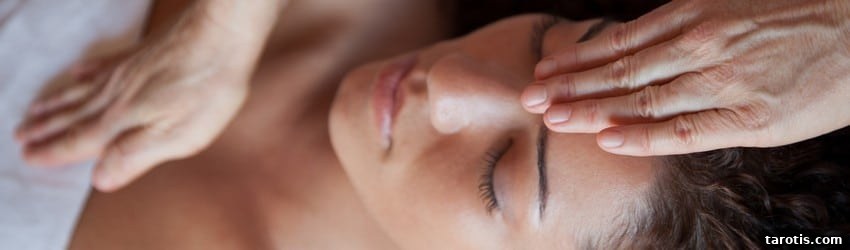
You don’t need to be a certified practitioner to feel the effects of Reiki. Simple practices—like working with Reiki stones or following guided self-Reiki—can support your personal energy and enhance well-being. Below are common benefits reported by people who practice or receive Reiki regularly.
Relaxation and Overall Wellbeing
Reiki and related tools such as Reiki stones are widely reported to promote deep relaxation and reduce stress. Many people describe the sensation as similar to the relief felt after a restorative massage: tension eases and calm is restored. Reiki techniques encourage the body’s energy to rebalance, helping overactive centers settle and underactive centers receive support.
Research and anecdotal reports indicate Reiki can produce both immediate relaxation and longer-lasting improvements in stress management. For home practice, placing a Reiki stone near an affected chakra and breathing mindfully can help accelerate a sense of calm and restore energetic balance.
Pain Management and Symptom Relief
While Reiki is not a replacement for medical treatment, it can be a gentle, complementary approach to pain management. Many healthcare practitioners support complementary therapies that reduce stress and help patients relax, because lower stress levels can amplify recovery and pain relief.
Clinical studies and patient reports suggest Reiki may reduce pain and discomfort associated with a variety of conditions, including chronic pain, post-surgical recovery, migraines, and procedure-related anxiety. When used alongside a conventional treatment plan, Reiki can contribute to improved comfort and a greater sense of wellbeing.
Physiological Benefits

Regular Reiki practice may produce measurable physiological effects associated with relaxation: lower heart rate, reduced blood pressure, and improved autonomic balance. These changes are consistent with reduced stress and improved recovery in clinical populations. Studies tracking patients after Reiki sessions have found benefits in post-operative recovery and general cardiovascular stability.
Incorporating Reiki into a routine that includes healthy lifestyle choices, stress reduction, and medical care can support long-term physical resilience.
Mental Clarity and Emotional Balance
One often-cited benefit of Reiki is improved mental clarity and emotional equilibrium. Persistent stress, anxiety, and mood disturbances can cloud judgment and reduce coping capacity. Reiki sessions help many people release stuck emotional energy, reduce mental fog, and approach challenges with greater calm and perspective.
For those exploring complementary approaches to mental wellness, Reiki can be discussed with healthcare providers as part of a broader plan that may include therapy, medication when needed, and lifestyle interventions.
Better Sleep
Sleep disturbance is a common consequence of chronic stress. Reiki can support restful sleep by calming the nervous system and clearing energetic blockages that interfere with relaxation. People who add Reiki to their bedtime routine often report falling asleep more easily and experiencing deeper rest. Improved sleep supports daytime alertness, mood, and overall productivity.
Consistent practice—whether self-Reiki, guided sessions, or gentle techniques with Reiki stones—can create a reliable sleep-supportive habit that reinforces overall health.
Incorporating Reiki into Your Routine
Reiki works best as part of a comprehensive self-care approach. Combining Reiki with meditation, yoga, chakra work, and other evidence-based wellness practices tends to produce the most consistent results. Always consult your healthcare provider before changing or replacing medical treatments; Reiki is best used as a complementary adjunct to professional care.
If you’re curious, start small: try a single session with a qualified practitioner or explore gentle self-Reiki exercises at home. Pay attention to subtle shifts in stress, sleep, pain, and mental clarity over time—these accumulative changes often reveal Reiki’s most meaningful benefits.
Whether you’re searching for relaxation, pain relief, or clearer thinking, Reiki offers a gentle, adaptable approach you can integrate into your healing practices.