
Welcome to another edition of “Ask Charla.” At Astrology Answers I receive questions from all over the world about love and relationships, chakras, tarot, astrology, numerology, and many other metaphysical topics. If it’s metaphysical, someone has likely asked about it.
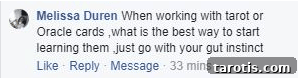
This is a great question because there are many valid ways to learn tarot and oracle reading. There’s no single right method, despite what some people might claim. Trusting your intuition plays an important role, and I’ll expand on that below.
One thing beginners often overlook is that reading tarot carries responsibility. When you read for yourself you must strive for objectivity rather than letting emotions or wishful thinking shape the message. As someone with nearly 40 years of reading experience, I can tell you that staying objective is challenging.
That’s one reason many people prefer to have readings done by someone else. The flip side is that nobody knows you better than you do. Below I’ll address common misconceptions about tarot and other oracles and offer practical guidance for developing your skills.
It’s Okay to Buy Your Own Cards
One basic myth is that you must never buy your own deck. I don’t subscribe to that superstition. If you receive a deck as a gift but don’t resonate with its imagery, you shouldn’t feel obligated to love it forever. Purchasing cards is simply an exchange of energy: money for an object that speaks to you. Choosing a deck you’re drawn to is part of forming a connection with it.
If you’re with someone particularly superstitious and want to avoid their objections, a simple workaround is letting them make the purchase for you. But there’s nothing inherently wrong with buying your own tarot or oracle deck.
You Don’t Have to Learn from a Master
Some communities promote the idea that tarot must be learned from a specific teacher or “master.” That attitude creates unnecessary gatekeeping. You can learn tarot through focused self-study, practice, and experience. That said, guidance and mentorship can accelerate learning, but they’re not mandatory.
Intuition matters. For example, when I see the Empress I often perceive the birth of something—literal childbirth or the birth of an idea. A colleague might see nurturing or a hospital scene. Both views are valid because tarot translates through each reader’s unconscious. Different interpretations enrich the practice rather than invalidate it.
Memorizing Traditional Meanings Isn’t Required
I don’t mean to dismiss traditional archetypal meanings. There is enormous depth in the symbolism of tarot: astrology, numerology, myth, and cultural imagery all contribute. Serious students will discover layers of meaning the more they study.
However, you don’t need to memorize every traditional meaning word-for-word. Reference books, online resources, and apps make it easy to look up details when needed. Learn the primary associations and archetypes, but allow your personal impressions and lived experience to shape your understanding.
Start with First Impressions
One of the best methods for beginners is to note your first impressions. The immediate emotional or visual response a card sparks is often the most authentic message. Take the Three of Swords, for example. It’s rarely a joyful card: my initial reaction was the phrase “two’s company, three’s a crowd,” associating the image of a pierced heart with betrayal or heartbreak. In many relationship spreads it does point to infidelity or emotional pain.
Trusting those spontaneous responses creates a direct relationship with the cards and helps you develop a personal vocabulary for their meanings.
Use the Instruction Book as a Backup
Most decks include a booklet explaining the designer’s intentions and suggested meanings. Use these guides when you first work with a deck to understand the creator’s perspective, but don’t rely on them exclusively. The deck’s message to you is paramount.
Sometimes the cards feel unresponsive—readers have “off” days too. If that happens, set the deck aside and come back later. If you want to keep going, consult the instruction booklet for fresh angles, then return to your own impressions.
It’s Easy to Create Your Own Tarot Book
You can build a personalized tarot reference by documenting your impressions and experiences. Work through a favorite deck, write your initial reactions to each card, and keep notes from readings: surprising connections, recurring patterns, and memorable phrasing. Over time these notes become a unique guide that reflects your voice and understanding.
When you read other authors’ interpretations, record your agreements and disagreements and why. This process creates a tailored databank of meanings that grows with your practice and becomes an invaluable resource.
You Are Your Own Authority
Ultimately, your understanding matters most. As you gain skill and confidence, you may choose to offer readings professionally or publish your interpretations. When you differ from tradition—such as viewing The Tower as a catalyst for positive transformation—explain the customary meanings and then show why your perspective adds nuance.
Many modern decks intentionally challenge or rework traditional structures; experimentation is part of the tarot’s living tradition. Follow the path that aligns with your ethics and sensibilities.
Conclusion
There’s no single path to learning tarot. The most effective approach blends intuition, study of traditional meanings, and systematic note-taking in a tarot journal. Be prepared: tarot can be addictive. As you explore archetypes and imagery, you may find yourself drawn to more decks and more books. Embrace the curiosity—your practice can continue to evolve, and you might one day share your insights with others in print or teaching.