
Do you often feel tired, frazzled, or like there simply aren’t enough hours in the day? In our fast-paced, tech-filled world it’s easy to become overwhelmed and emotionally drained. Between packed schedules and constant screen time—computers, phones, and TVs—many of us forget to unplug and reconnect with nature. While technology brings convenience and entertainment, maintaining a bond with the natural world is essential. Shungite is one natural resource that can help restore balance.
What is Shungite?
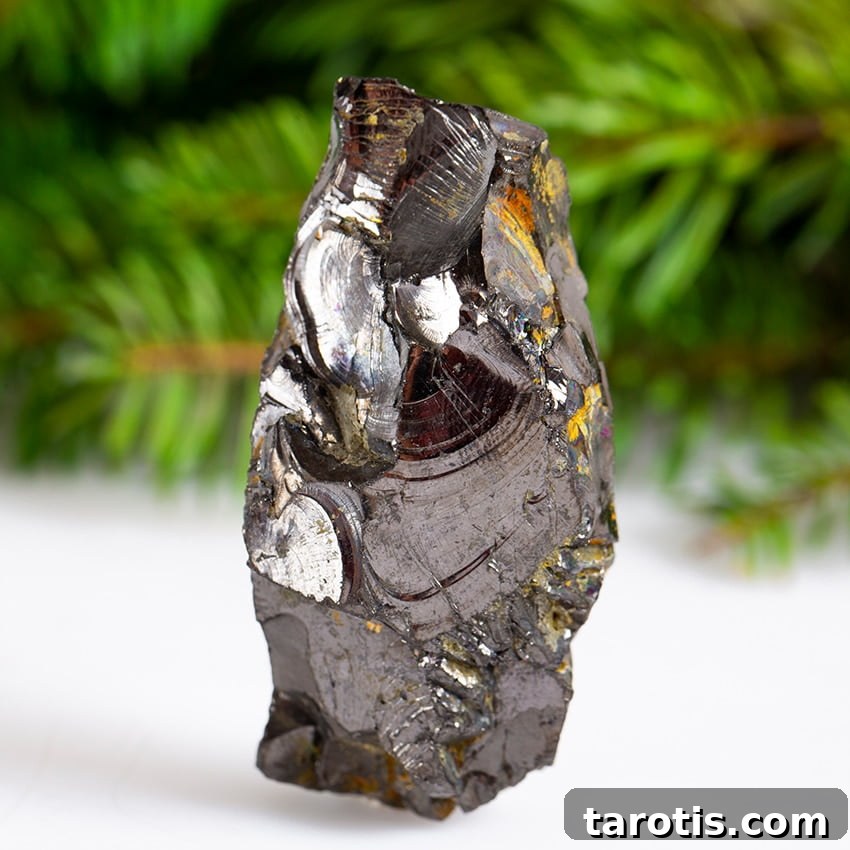
Shungite may be less familiar than more commonly cited crystals, but it deserves attention for its unique composition and reputed benefits. Shungite is a mineraloid that varies in appearance from matte grey to deep, lustrous black. It consists primarily of carbon and silicate minerals and is notable for containing fullerenes—spherical carbon molecules also known as buckyballs. Fullerenes are powerful antioxidants and were the subject of a Nobel Prize-winning discovery.
Historically, the term “shungite” described amorphous glass with more than 98% carbon. Today, the name is used more broadly for rocks that contain shungitic material, with carbon content ranging from about 10% up to nearly 100%. Shungite is commonly classified by sheen: dull, semi-dull, semi-bright, and bright.
The History of Healing Shungite
Shungite is primarily found in Russia’s Karelia region near the village of Shunga, from which it takes its name, though occurrences have been reported in locations such as Kazakhstan, the Congo, India, and Austria. The origin of shungite remains debated. Some scientists attribute it to ancient volcanic activity; others suggest a meteoritic origin or derivation from primordial organic matter similar to coal deposits. Estimates for its age vary widely, from hundreds of millions to billions of years.
The healing reputation of shungite goes back centuries. Accounts from the 17th century describe its use in the Karelia region’s waters, which people long considered curative. One legend recounts how a member of the Romanov family regained health after drinking shungite-rich water from Lake Onega; the woman later gave birth to Mikhail Romanov, the first ruler of the Romanov dynasty. Later medical interest in the 18th century led to wider recognition of the water’s benefits, with claims that it helped treat rheumatism, heart and liver conditions, and other ailments. Soldiers reportedly carried chunks of shungite in their canteens to purify water, a practice credited with preventing disease during military campaigns.
How Shungite Works
Often called the “Stone of Life,” shungite is considered grounding and stabilizing. It is associated with an earth-centered energy that helps people feel rooted and balanced. Shungite’s conductive nature also makes it a useful material for assessing authenticity and quality.
One of shungite’s most documented properties is its antibacterial capacity, which supports water purification. Placing shungite in drinking water is a common practice intended to cleanse impurities while infusing the water with the stone’s antioxidant properties. The fullerenes within shungite are believed to contribute to these effects by supporting cellular repair, regulating metabolic processes, and protecting cells from oxidative damage.
Shungite is also frequently promoted as a protector against electromagnetic radiation emitted by everyday electronics. For people who spend significant time around screens and devices, shungite is thought to help neutralize so-called electronic smog and promote a calmer, more balanced energetic environment.
Shungite in Astrology Today
Shungite is considered broadly beneficial across zodiac signs, with particular ties to Mercury. Because Mercury rules communication and mental agility—and governs Gemini and Virgo—shungite is often recommended for people with those signs. It is also suggested as helpful for emotionally sensitive signs, such as Cancer, offering a feeling of safety and support in expressing emotions.
How to Use Shungite’s Ancient Healing Powers
Shungite can be worn as jewelry, placed in living or work spaces, or used to treat water. Worn pieces, such as pendants or bracelets, are said to help reduce fatigue and offer ongoing energetic protection. Placing shungite in a water container is a popular way to harness its purifying qualities; proponents claim shungite-infused water can provide grounding benefits and gentle support for children with hyperactivity when used responsibly.
Travelers often use shungite to counteract the energy drain associated with transit and electronic devices like in-flight entertainment systems and GPS navigation. The stone is believed to help maintain a grounded feeling even while away from home.
Cleansing Your Shungite
To cleanse shungite, you can place it in sunlight for an hour or two, rinse it in warm water for a few minutes, or soak it briefly in a solution made from about one teaspoon of baking soda dissolved in a bowl of water. These simple methods help refresh the stone’s surface and energetic presence.
Why Choose Shungite?
Shungite’s appeal lies in its diverse range of reported benefits: grounding, purification, protection, and antioxidant support. Because it is associated with multiple healing properties, many people choose shungite to address several concerns at once. While individual experiences vary, many users report noticing a subtle, restorative effect after introducing shungite into their daily routines.
Related Article: The Best Crystals to Have On Your Work Desk