
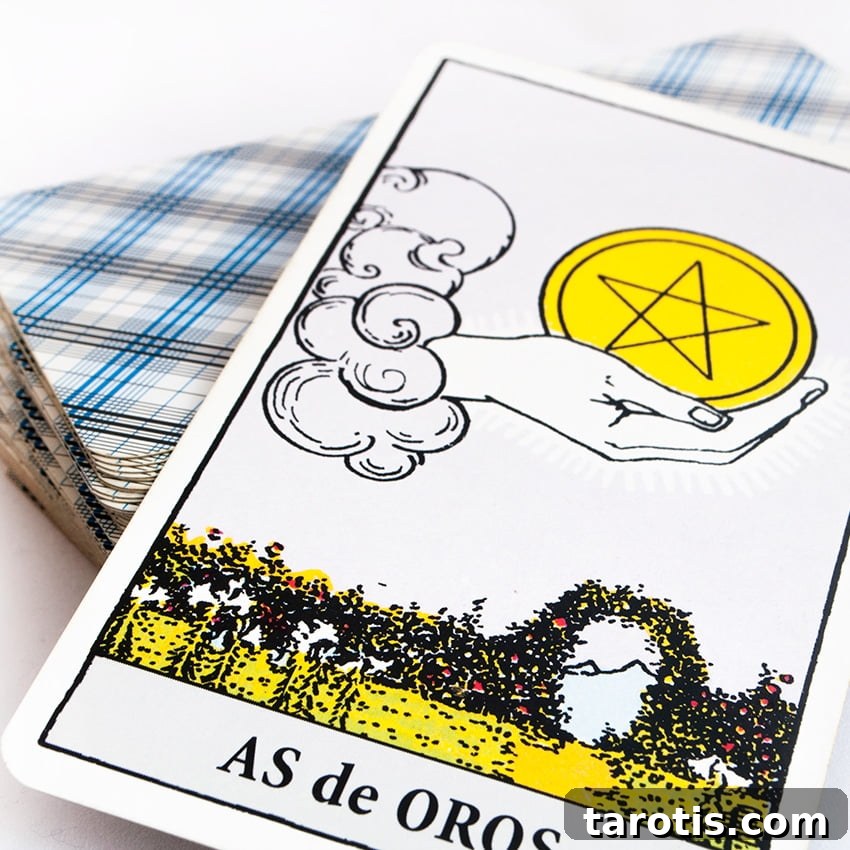
The Tarot has been used for centuries as a tool for insight and divination. While traditionally employed to foresee events, modern approaches emphasize its power to connect with the inner self, offering psychological and spiritual guidance to foster healing and manifest more positive life experiences. Many people now use Tarot to clarify purpose, navigate emotions, and make choices aligned with their deepest aspirations.
Tarot communicates through symbols and archetypes—the language of the subconscious, intuition, and creative imagination. These images help bypass analytical thinking so we can receive intuitive impressions while reflecting on the cards. Tarot can address everyday matters, like small decisions, as well as larger life questions about purpose, relationships, and personal growth.
To begin working with Tarot, learning the symbols is essential. The cards are grouped into the Major and Minor Arcana. The Minor Arcana is further divided into four suits. Understanding these suits makes interpreting the cards more accessible and meaningful. Below is a guide to the four suits of the Minor Arcana and what they reveal about our lives.
Tarot Suits in the Minor Arcana
A standard Tarot deck contains 78 cards split between the Major and Minor Arcana. The Minor Arcana focuses on daily life, habits, and the subtle patterns shaped by the subconscious. It helps explain why certain situations feel satisfying or challenging and points to practical ways to improve our experience.
Each suit highlights a different domain of life. When you combine a suit with the card’s number or a court card, you access additional layers of meaning. Generally, card numbers carry themes—early numbers often indicate beginnings or challenges, while later numbers show development or resolution. Context and intuition guide which meaning fits a reading.
Tarot Suits & the Elements
Cups correspond to the element of Water.
Cups focus on emotions, relationships, and inner life. They indicate emotional needs, healing, celebration, or the lingering effects of past experiences. As a receptive, feminine (yin) suit, Cups emphasize intuition, attraction, and the relationship you have with yourself and others. They can also point to matters of fertility and the emotional healing of the inner child, supporting the restoration of creative and manifesting abilities.
Swords correspond to the element of Air.
Swords relate to thought, communication, and the intellect. This suit reveals how beliefs and words shape our reality, calling attention to self-sabotaging thought patterns or harmful speech. Swords represent the analytical, yang side of the mind—order, structure, and clarity. They can highlight conflicts, fears, deception, or the need to use reason and discipline to reach goals.
Wands correspond to the element of Fire.
Wands point to passion, creativity, and motivation. This suit helps identify life purpose, inspiration, and the drive to begin or sustain meaningful projects. As a masculine (yang) energy, Wands encourage action and the direction of inner fire toward authentic desire. They reveal where creative energy needs an outlet and how to overcome fear to create with intention.
Pentacles correspond to the element of Earth.
Pentacles center on the physical world: work, finances, home, health, and tangible resources. This practical, nurturing, feminine (yin) suit represents stability, material growth, and the foundation needed to feel secure. Pentacles can highlight decisions about money or career and reveal ways to manifest sustainable wealth and align with work that feels fulfilling.
Tarot Suits & Astrology Signs
The four Tarot suits align with the zodiac elements, creating natural correspondences:
- Cups → Water signs: Pisces, Scorpio, Cancer
- Swords → Air signs: Aquarius, Gemini, Libra
- Pentacles → Earth signs: Capricorn, Taurus, Virgo
- Wands → Fire signs: Sagittarius, Leo, Aries
Noticing a prevalence of a particular suit in a reading can prompt you to examine related areas of your birth chart. For example, many Swords may indicate an emphasis on Air qualities—communication, thought patterns, and mental focus—that deserve attention or conscious redirecting.
Tarot Suits & Playing Cards
Playing cards can be used similarly to Tarot once you learn the corresponding meanings. Traditional playing card suits map to Tarot suits as follows:
- Hearts → Cups
- Spades → Swords
- Diamonds → Pentacles
- Clubs → Wands
Knowing a few key Tarot meanings—such as the Ace of Wands as the spark to speak your truth or the 3 of Cups as celebration and social joy—makes translating between decks straightforward for practical readings.
Concluding Thoughts
After you become familiar with the four suits, the next step is to study the meanings of the numbered cards, the court cards, and the Major Arcana. A practical method is daily readings with brief notes about each card you pull. Over time, repeated exposure builds an intuitive library—associations between cards, people, experiences, and emotions—that deepens your reading skills. Regular practice and reflection are the simplest paths to fluency with the Tarot.